The foot pump valve is an essential component in various applications, from inflating sports equipment to medical devices. Despite its simplicity, understanding how it works, its benefits, and its applications can significantly enhance its utility. This guide aims to provide a thorough overview of foot pump valves, including their types, functionality, and best practices for maintenance and usage.
What is a Foot Pump Valve?

A foot pump valve is a mechanical device that allows air to flow in one direction while preventing it from escaping. It is commonly used in inflatable products where manual air pumping is required. The valve operates on a simple principle: when the foot pedal is pressed, it compresses a diaphragm or piston, allowing air to enter a chamber, while a one-way valve ensures that air does not escape back through the pump.
How Does a Foot Pump Valve Work?

The operation of a foot pump valve can be broken down into a few fundamental steps:
- Pressing the Pedal: When the user presses down on the foot pedal, it creates pressure within the pump chamber.
- Air Intake: The pressure forces air through the inlet valve, which opens due to the vacuum created inside the pump.
- Compression: The compressed air is then directed into the inflatable item, such as a ball or mattress.
- Sealing: Once the pedal is released, the one-way valve closes, preventing air from escaping back into the pump.
This cycle can be repeated to inflate the item to the desired pressure. The efficiency of the foot pump valve is a key factor in how quickly and effectively the item can be inflated.
Types of Foot Pump Valves

Foot pump valves come in various designs and materials, each suited for specific applications. Here are some common types:
- Diaphragm Valves: These valves use a flexible diaphragm that moves up and down to control airflow. They are common in household foot pumps.
- Piston Valves: Utilizing a piston mechanism, these valves can generate higher air pressure and are often used in professional equipment.
- Check Valves: These valves allow air to flow in one direction and are typically used in conjunction with other valve types to prevent backflow.
- Multi-Function Valves: These are designed for versatility and can handle various types of inflatable items, often featuring multiple settings for different applications.
Applications of Foot Pump Valves
Foot pump valves are versatile and can be found in numerous applications across different industries:
- Sports Equipment: Used to inflate balls, bikes, and other gear, foot pump valves are essential for athletes and sports enthusiasts.
- Camping Gear: Inflatable mattresses, rafts, and air beds often utilize foot pump valves for quick and efficient inflation.
- Medical Devices: Certain medical equipment, such as air splints and inflatable cushions, rely on foot pump valves for ease of use.
- Industrial Applications: Foot pumps are used in various industrial settings to inflate machinery components or assist in pneumatic systems.
Advantages of Using Foot Pump Valves
Foot pump valves offer numerous advantages that make them preferable in various scenarios:
- Hands-Free Operation: Users can operate the pump without using their hands, allowing for multitasking.
- Efficient Inflation: Foot pumps can generate significant pressure, allowing for quicker inflation compared to manual hand pumps.
- Portability: Most foot pumps are compact and easy to transport, making them ideal for outdoor activities.
- Durability: Constructed from robust materials, foot pumps can withstand rigorous use, especially in sports and industrial settings.
Case Studies: Foot Pump Valves in Action
To illustrate the practical applications of foot pump valves, consider the following case studies:
Case Study 1: Sports Team Equipment Management
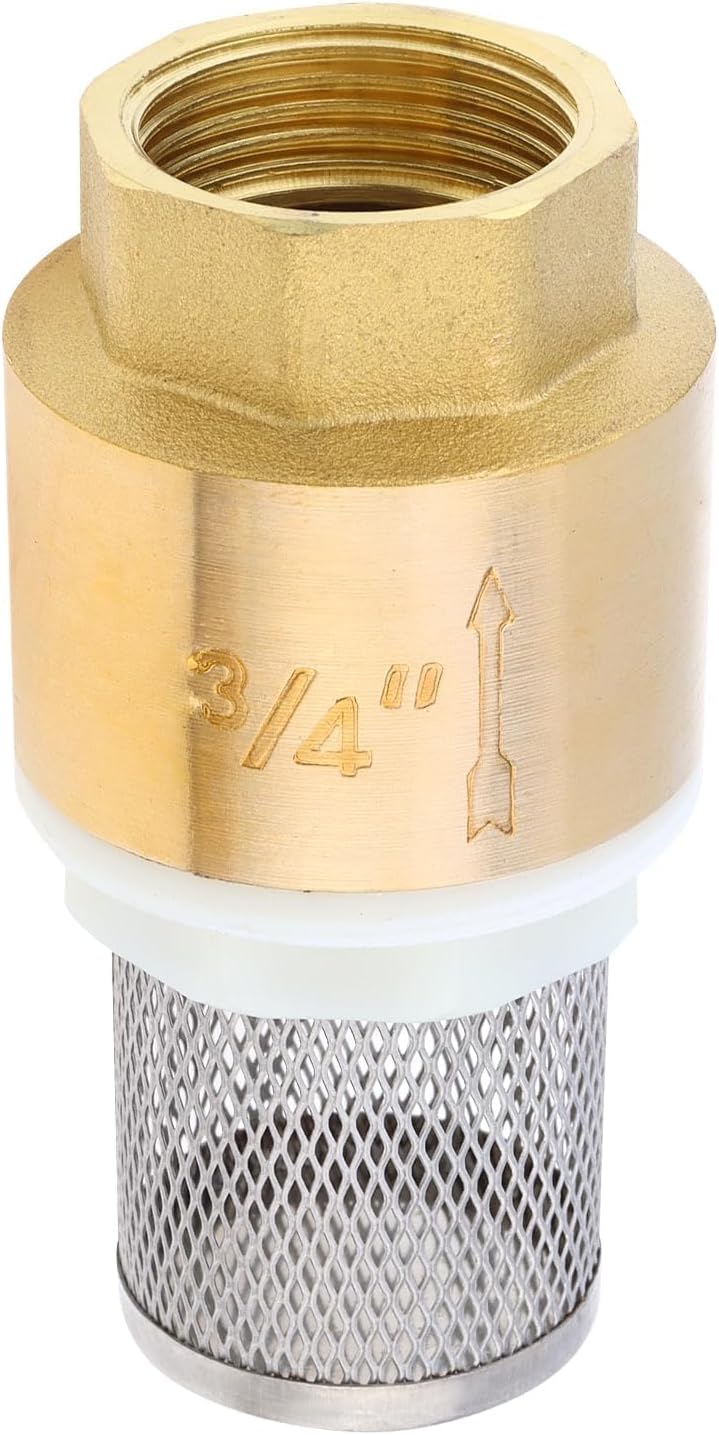
A local soccer team adopted foot pump valves for inflating their training balls. Previously, they relied on hand pumps, which took considerable time and effort. By switching to foot pumps, they reduced the time spent inflating balls by 60%, allowing players to focus more on practice and less on preparation.
Case Study 2: Camping Expeditions
A group of campers used foot pump valves to inflate their air mattresses and inflatable kayaks. They reported that the ease of inflating gear saved them valuable time and energy. Furthermore, they were able to deflate the items quickly due to the one-way valve feature, facilitating a smoother packing experience.
Maintenance and Best Practices

To ensure that foot pump valves function optimally, regular maintenance is crucial. Here are some best practices:
- Regular Cleaning: Clean the valve and pump components to prevent dirt accumulation that can hinder performance.
- Inspect Seals and Diaphragms: Check for wear and tear regularly, replacing components as necessary to maintain airtight integrity.
- Store Properly: When not in use, store the pump in a dry, cool place to prevent damage from humidity or extreme temperatures.
- Lubricate Moving Parts: Occasionally lubricate any moving parts to ensure smooth operation and prolong the life of the pump.
The foot pump valve is a remarkable device that plays a crucial role in various applications, from sports and camping to medical uses. Its simple yet effective design allows for efficient inflation and deflation, making it a favorite among users seeking convenience and performance. By understanding its operation, types, applications, and maintenance, users can maximize the benefits of foot pump valves. As technology continues to evolve, one can expect even more innovations in this area, making foot pump valves an indispensable tool for various industries.
In summary, whether you are an athlete, an outdoor enthusiast, or a professional in an industrial setting, the foot pump valve is a versatile tool that enhances productivity and efficiency. Understanding its mechanics and proper usage will ensure that you get the most out of this essential device.

