As the world increasingly turns its focus toward sustainable living and reducing carbon footprints, innovative solutions like solar heat lamps are gaining traction. These eco-friendly heating devices harness the sun’s energy to provide warmth and comfort in homes. This article explores how solar heat lamps work, their benefits, potential applications, and why they are a smart choice for eco-conscious homeowners.
Understanding Solar Heat Lamps

Solar heat lamps are designed to capture solar energy and convert it into usable heat. These lamps typically consist of solar panels, a heating element, and a storage system. The process can be broken down into a few simple steps:
- Solar Energy Collection: Solar panels collect sunlight during the day.
- Energy Conversion: The collected sunlight is converted into electrical energy.
- Heat Generation: The electrical energy is used to power heating elements, which generate warmth.
- Heat Storage: Some systems include thermal storage mechanisms to retain heat for use during the night or on cloudy days.
This technology can be integrated into various designs, from simple outdoor lamps to sophisticated indoor heating systems. With advancements in technology, solar heat lamps have become more efficient and accessible for everyday use.
Benefits of Solar Heat Lamps
Choosing solar heat lamps for home heating comes with a multitude of advantages:
- Eco-Friendly: Solar heat lamps rely on renewable energy, reducing reliance on fossil fuels and lowering greenhouse gas emissions.
- Cost-Effective: Once installed, solar heat lamps can significantly reduce electricity bills, and many systems qualify for tax incentives and rebates.
- Low Maintenance: Solar heat lamps generally require minimal upkeep, with most components designed for long-lasting performance.
- Versatile Applications: These lamps can be used in various settings, including gardens, patios, and indoor spaces, enhancing both aesthetics and functionality.
- Energy Independence: By harnessing solar energy, homeowners reduce their dependence on grid power, contributing to energy security.
Case Studies: Real-World Applications
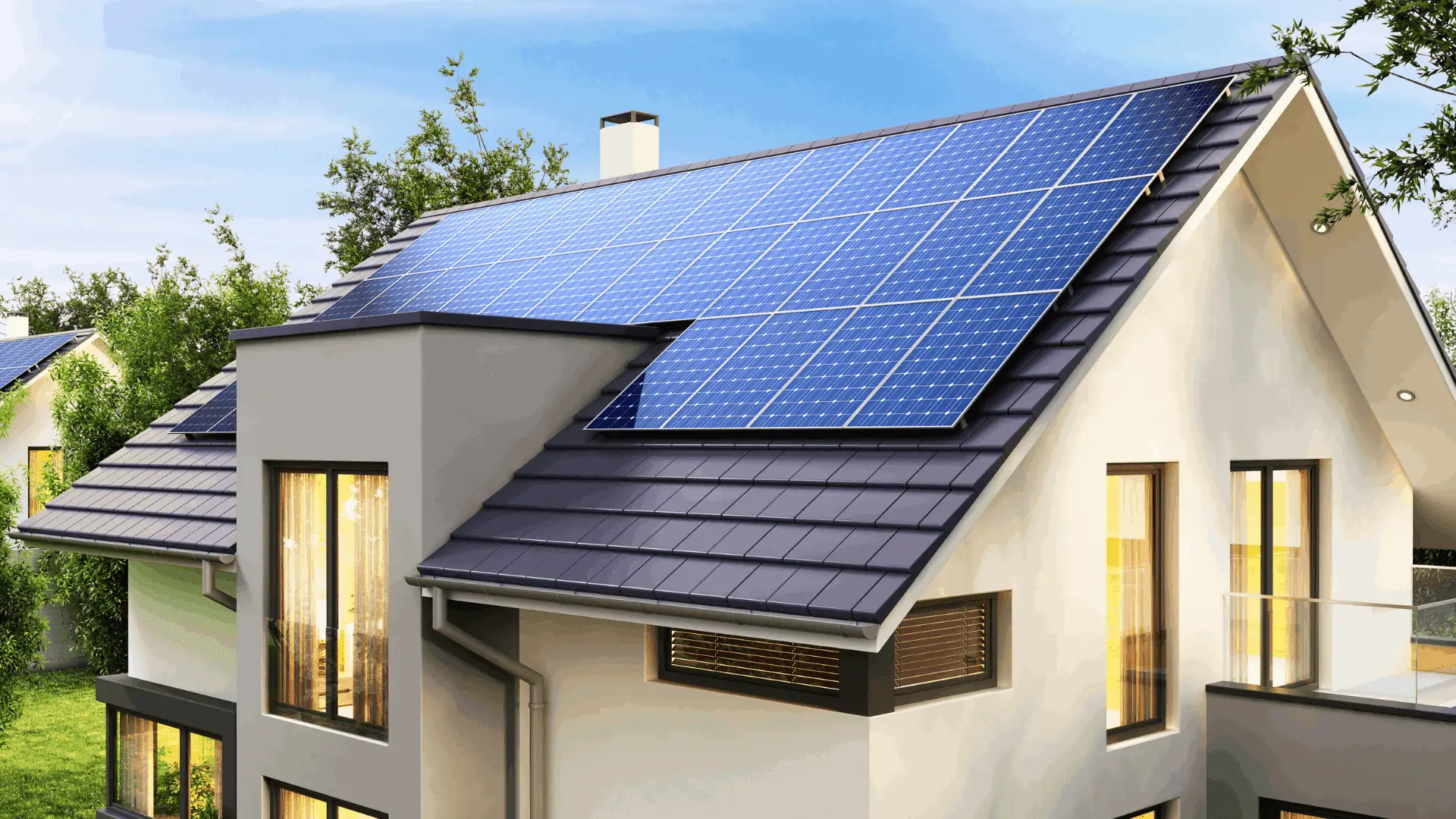
To illustrate the effectiveness of solar heat lamps, consider the following case studies:
Case Study 1: Solar Heating in Residential Homes
A family in California installed solar heat lamps to supplement their home heating system. They chose a system that included both indoor and outdoor lamps. The results were impressive:
- Reduced energy bills by over 30% during the winter months.
- Improved comfort in their living spaces, especially in areas that previously received little sunlight.
- Enhanced property value due to the installation of renewable energy systems.
Case Study 2: Community Solar Heating Project

A community in Colorado implemented a solar heat lamp initiative in public parks and communal areas. The project provided several benefits:
- Increased usage of outdoor spaces during colder months, promoting community engagement.
- Decreased energy consumption for public heating, resulting in cost savings for the local government.
- Raised awareness about renewable energy and its benefits among residents.
How to Choose the Right Solar Heat Lamp for Your Home
When considering solar heat lamps, there are several factors to evaluate:
- Type of Lamp: Determine whether you need indoor, outdoor, or a combination of both types. Indoor lamps can be designed to blend with home decor, while outdoor lamps may be more utility-focused.
- Energy Efficiency: Look for models with high energy conversion rates and quality solar panels. The efficiency rating can greatly influence performance.
- Heat Output: Consider the heating capacity required for your space. Different lamps offer varying levels of heat output, suitable for different room sizes and purposes.
- Installation Requirements: Some solar heat lamps are easy to install and can be set up by homeowners, while others may require professional installation.
- Durability: Ensure the materials used in the lamp are weather-resistant if intended for outdoor use and that they come with a warranty for peace of mind.
Solar Heat Lamps vs. Traditional Heating Solutions
When comparing solar heat lamps to traditional heating solutions, it’s important to consider several factors:
- Cost: Traditional heating systems often incur high upfront costs and ongoing fuel expenses, while solar lamps typically have lower operating costs after installation.
- Environmental Impact: Traditional heating methods, such as gas or electric systems, contribute to carbon emissions, whereas solar heat lamps utilize clean energy.
- Flexibility: Solar heat lamps offer more flexibility in terms of placement and usage than conventional systems, which may require ductwork or radiators.
Challenges and Considerations

While solar heat lamps present many benefits, potential users should also be aware of certain challenges:
- Initial Investment: The upfront cost of purchasing and installing solar heat lamps can be significant, though it often pays off in the long run.
- Weather Dependence: The efficiency of solar heat lamps can be affected by weather conditions; areas with limited sunlight may not benefit as much.
- Space Requirements: Sufficient space is needed for solar panels and installation, which may be a concern in smaller homes.
The Future of Heating Solutions

Solar heat lamps represent a significant advancement in eco-friendly heating solutions for homes. They offer a renewable and sustainable way to heat living spaces while reducing energy costs and environmental impact. By investing in solar heat lamps, homeowners can enjoy the benefits of clean energy, lower utility bills, and increased property value. As technology continues to improve, the adoption of solar heating solutions is expected to grow, making sustainable living more accessible and appealing to a broader audience.
In summary, solar heat lamps not only contribute to a sustainable future but also provide practical benefits that can enhance the comfort and efficiency of your home. By understanding their functionality, benefits, and the factors to consider when choosing the right model, homeowners can make informed decisions that align with their eco-friendly values and heating needs.

