Judy Blume is an iconic figure in children’s literature, and her Fudge series remains a beloved collection that resonates with both young readers and adults alike. The series follows the humorous and sometimes chaotic adventures of the Hatcher family, particularly focusing on the antics of the mischievous young boy, Peter, and his even more mischievous younger brother, Fudge. This article will help you navigate the Fudge series and determine the best order to read Judy Blume’s tales, providing insights into the themes, characters, and the development of the storyline throughout the series.
Understanding the Fudge Series
The Fudge series consists of several novels that explore the joys and challenges of family life through the eyes of Peter Hatcher. The series is celebrated for its relatable characters, witty dialogue, and insightful observations about growing up. The books not only entertain but also address significant topics such as sibling rivalry, friendship, and the complexities of childhood.
The Fudge Series Books: An Overview

To fully appreciate the Fudge series, it’s essential to know the titles and the order in which they were published. Here’s a list of the Fudge books:
- “Tales of a Fourth Grade Nothing” (1972) – The first book introduces Peter Hatcher and his troublesome brother, Fudge.
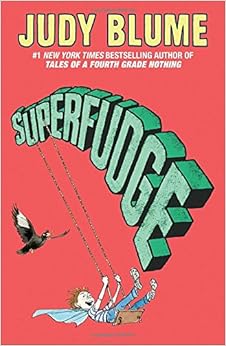
- “Superfudge” (1980) – The sequel continues the story as the Hatchers face new challenges with Fudge’s antics.
- “Fudge-a-Mania” (1990) – This installment centers around the Hatchers’ summer vacation and a family feud.
- “Double Fudge” (2002) – The latest addition to the series introduces a new character, Peter’s cousin, and explores themes of family dynamics.
The Best Order to Read the Fudge Series
While each book can be read independently, following the publication order provides a richer understanding of character development and story arcs. Below is the recommended reading order:
- 1. Tales of a Fourth Grade Nothing – Start here to understand the foundational dynamics between Peter and Fudge.
- 2. Superfudge – Continue with Peter’s ongoing adventures and the introduction of new family members.
- 3. Fudge-a-Mania – Dive into the family’s summer escapades and witness how they handle family disputes.
- 4. Double Fudge – Conclude with this final installment that brings a fresh perspective with the introduction of Peter’s cousin.
Why Reading in Order Matters

Reading the Fudge series in the order of publication allows readers to experience the evolution of themes and character relationships. Here are some reasons why this order is significant:
- Character Development: The growth of Peter and Fudge is best understood when following their journey from book to book.
- Recurring Themes: Issues such as sibling rivalry and parental relationships are explored in greater depth, allowing for a more profound understanding of the characters’ motivations.
- Story Arcs: Each book builds on the previous one, creating a cohesive narrative that enhances the reader’s experience.
Thematic Elements in the Fudge Series

Judy Blume’s Fudge series is rich in themes that resonate with readers of all ages. Here are some prevalent themes throughout the series:
- Sibling Rivalry: The dynamic between Peter and Fudge captures the essence of sibling relationships, showcasing both love and competition.
- Family Dynamics: The Hatcher family’s interactions reflect the complexities of family life, including parental roles and sibling bonds.
- Friendship: The stories highlight the importance of friendships formed during childhood and the challenges that arise within them.
- Growing Up: Each book tackles the transition from childhood to adolescence, addressing the fears and triumphs that come with growing up.
Case Studies: The Impact of the Fudge Series

The Fudge series has left an indelible mark on children’s literature. Its impact can be seen in various ways:
- Popularity Among Young Readers: According to a 2021 survey, Judy Blume remains one of the top authors for children aged 8-12, with the Fudge series frequently cited as a favorite.
- Educational Use: Many educators incorporate Fudge books into their curriculum to teach themes of empathy and conflict resolution.
- Enduring Legacy: The series continues to be adapted for different media, including stage plays and audiobooks, making it accessible to new generations.
Recommendations for Parents and Educators

If you’re a parent or educator looking to introduce the Fudge series to children, consider the following tips:
- Read Aloud: Sharing the books through read-aloud sessions can enhance comprehension and engagement.
- Discussion Questions: After reading, ask children about their favorite parts and how they relate to the characters’ experiences.
- Encourage Writing: Invite children to write their own stories about sibling relationships, inspired by the Fudge series.
Navigating the Fudge series by Judy Blume offers a delightful journey through the trials and tribulations of childhood. By reading the books in the order of publication, readers can fully appreciate the growth of characters and the depth of themes woven throughout the series. With its timeless humor and relatable family dynamics, the Fudge series remains a staple in children’s literature, making it a must-read for both young audiences and adults who cherish Blume’s work. Ultimately, whether you’re revisiting these tales or discovering them for the first time, the Fudge series promises laughter, reflection, and a heartfelt exploration of what it means to grow up.

