Cake decorating has evolved into an art form that combines culinary skills with visual aesthetics. Among the myriad of decorating techniques, the use of typography stands out for its ability to convey messages, celebrate special occasions, and add a personal touch to cakes. This article delves into the world of lettered layers, exploring the various techniques, tools, and inspirations for incorporating typography into cake design. Whether you are a budding baker or a seasoned pastry chef, learning how to use typography effectively can elevate your cake decorating skills.
The Importance of Typography in Cake Design
Typography is not just about arranging letters; it’s about communicating emotions, sentiments, and messages through visual design. In cake decorating, typography serves several purposes:
- Personalization: Custom messages can make a cake feel unique and tailored for the recipient.
- Celebration: Typography can highlight important milestones, such as birthdays, weddings, or anniversaries.
- Aesthetic Appeal: Well-designed typography can enhance the overall visual appeal of a cake, making it more enticing.
- Branding: For professional bakers, consistent typography can help establish a brand identity.
Choosing the Right Typeface for Your Cake
Selecting the appropriate typeface is crucial for the success of your cake design. Here are some tips to help you choose the right font:
- Match the Theme: The typeface should reflect the occasion. For instance, a whimsical font may be suitable for a child’s birthday cake, while a sleek serif font might be better for a wedding cake.
- Readability: Ensure that your chosen font is legible from a distance. Avoid overly intricate designs that may confuse the viewer.
- Size Matters: The size of the lettering should be proportional to the cake. Large cakes can handle more substantial fonts, while smaller cakes may require more delicate lettering.
- Color Contrast: Use contrasting colors for the text and background to ensure visibility. This is especially important if the cake has intricate decorations.
Tools and Techniques for Lettered Layers
Creating lettered layers on cakes can be accomplished using various tools and techniques. Here are some popular methods:
1. Piping Techniques
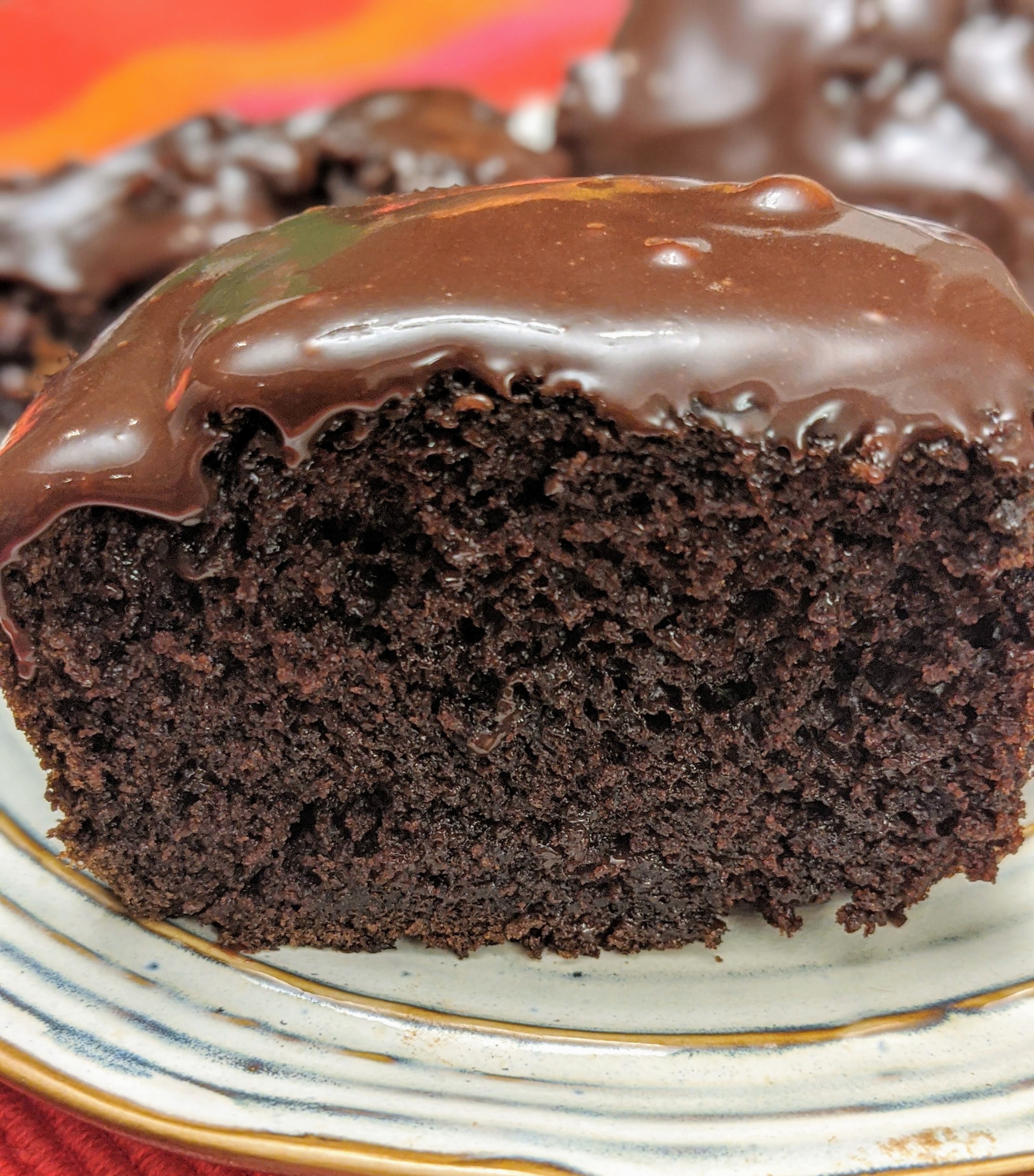
Piping is one of the most common ways to add letters to cakes. Here’s how to do it:
- Materials Needed: Piping bags, various piping tips, buttercream or royal icing.
- Practice: Before piping on the cake, practice your lettering on parchment paper to get comfortable with the flow and pressure.
- Technique: Use a steady hand and apply consistent pressure to create even letters. Start with simple fonts before progressing to more complex designs.
2. Fondant Lettering
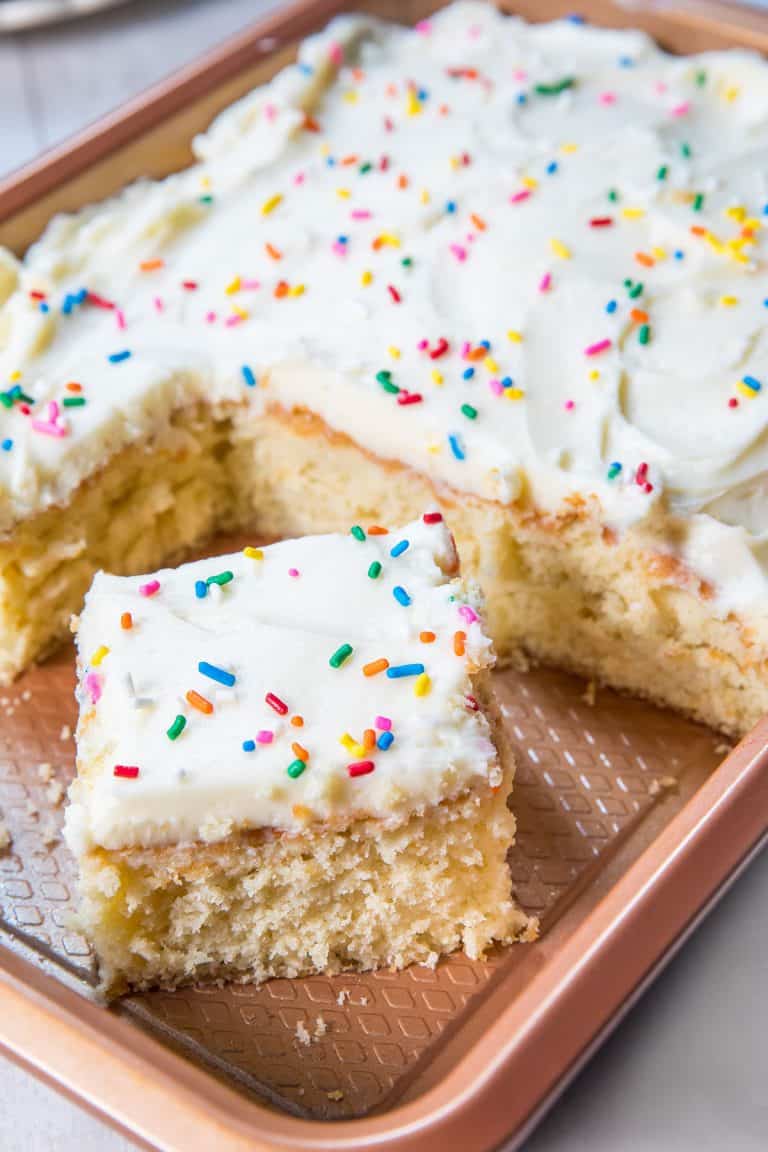
Fondant can be shaped and cut into letters for a clean and polished look. Here’s how:
- Materials Needed: Fondant, letter cutters, cornstarch or powdered sugar.
- Preparation: Roll out the fondant to an even thickness. Dust surfaces with cornstarch to prevent sticking.
- Cutting: Use letter cutters or a sharp knife to create your desired letters. Allow them to dry slightly before applying them to the cake.
3. Edible Printing
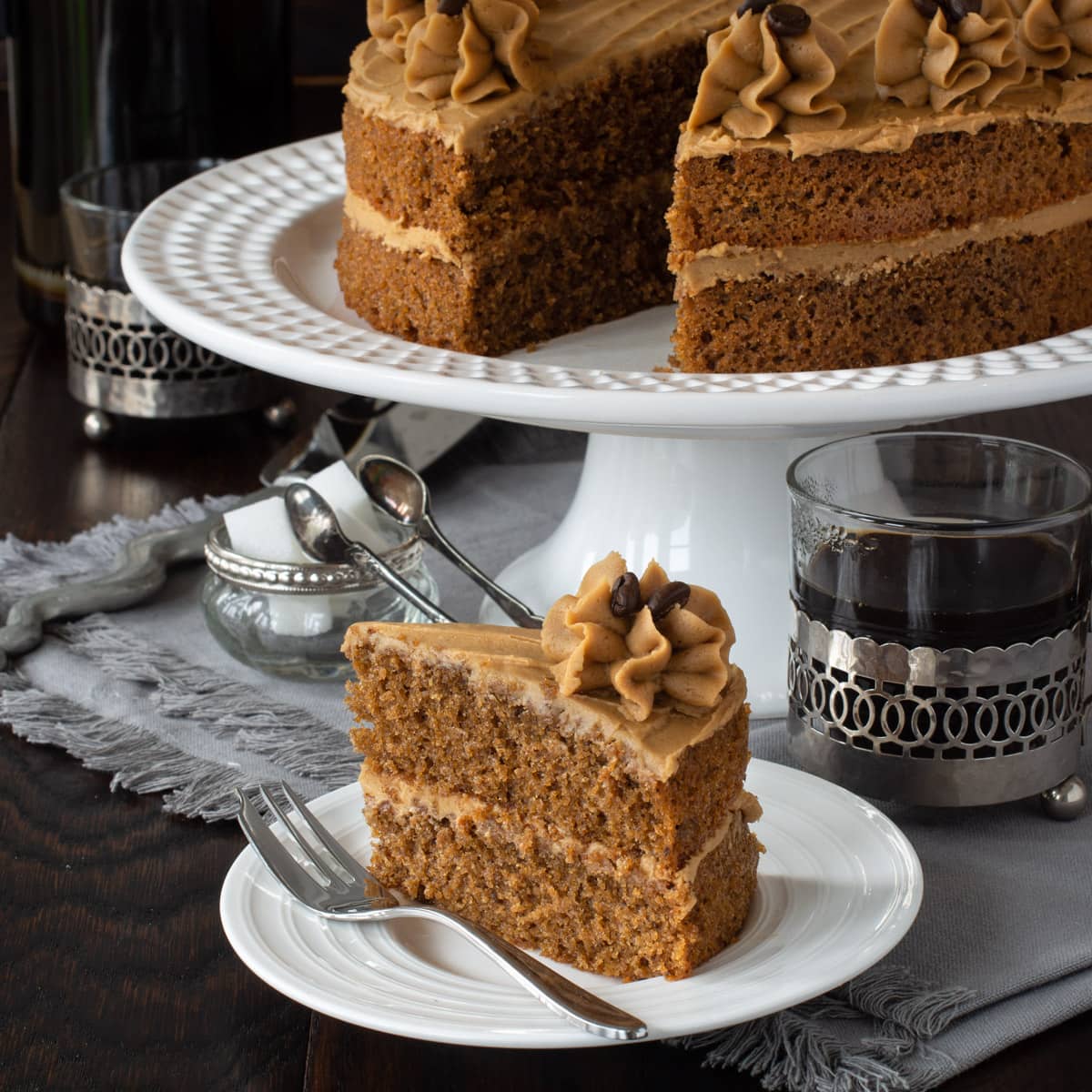
For those who want to incorporate complex typography, edible printing offers a modern solution:
- Equipment: Edible ink printer and special edible paper.
- Design Software: Use graphic design software to create your lettering. Ensure that the design is high-resolution for the best print quality.
- Application: After printing, cut out the letters and apply them to the cake using a small amount of water or edible glue.
Case Studies: Successful Typography in Cake Design
To illustrate the impact of typography in cake decorating, let’s explore a few successful case studies from renowned cake artists.
1. Sweet Lady Jane Bakery

Based in California, Sweet Lady Jane Bakery is known for its exquisite cakes. They often use typography to enhance the storytelling aspect of their cakes. For instance, during wedding seasons, they create cakes adorned with the couple’s names and wedding dates in elegant calligraphy. This not only personalizes the cake but also serves as a keepsake for the couple.
2. Flour Bakery + Café
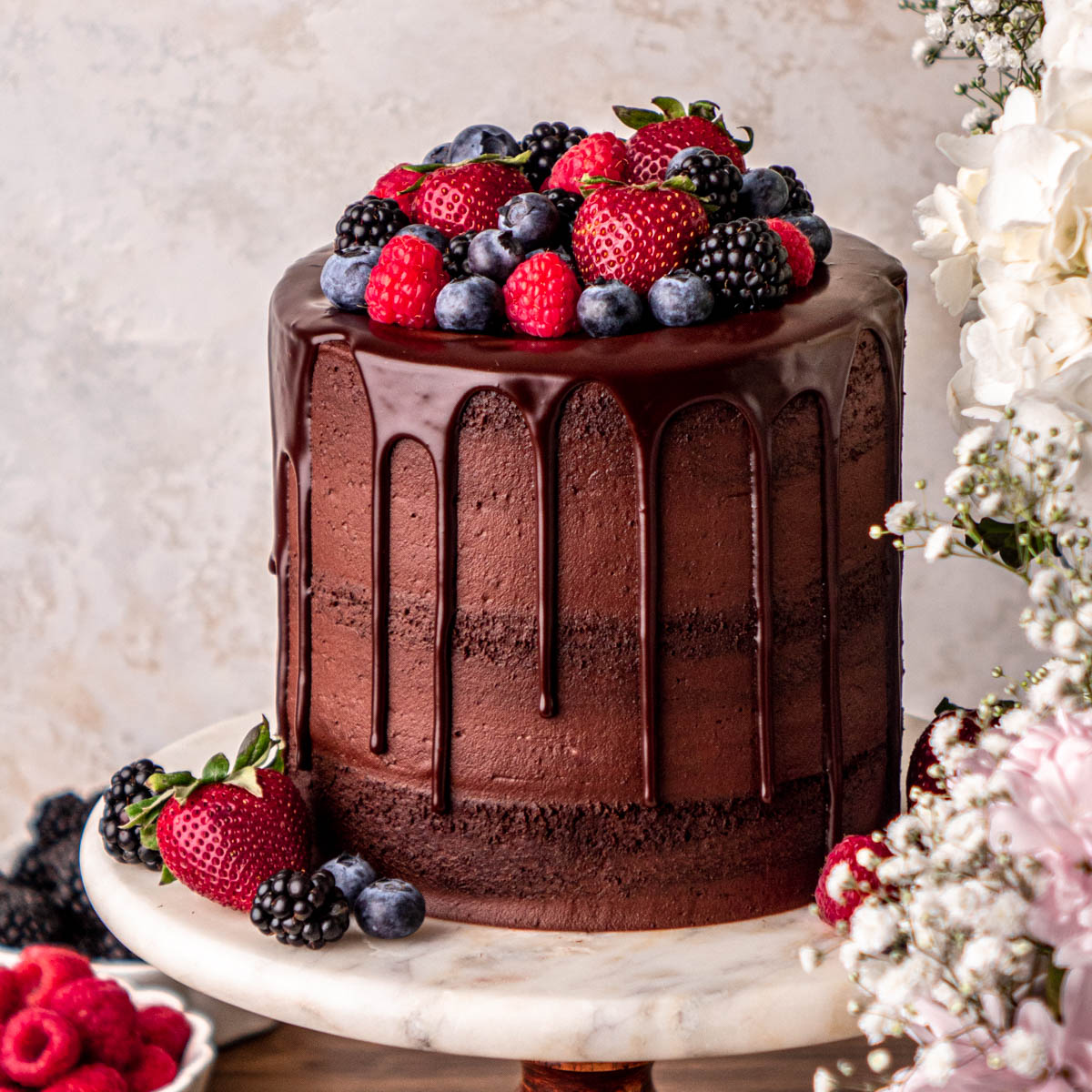
Flour Bakery in Boston utilizes bold typography on their cakes to appeal to a younger demographic. Their playful use of color and font has made their cakes the centerpiece for many celebrations. Their Instagram page showcases cakes featuring fun phrases like “Eat Cake” or “Celebrate!” which resonate well with their audience.
The Psychology of Typography in Cake Design
Typography is not just an aesthetic choice; it has psychological implications as well. Research shows that different typefaces can evoke various emotions:
- Serif Fonts: Often perceived as traditional and trustworthy, making them suitable for formal occasions.
- Sans-Serif Fonts: Seen as modern and clean, ideal for contemporary celebrations.
- Script Fonts: Convey elegance and sophistication, perfect for weddings and anniversaries.
Understanding these nuances can help bakers choose the right typography to evoke the desired emotional response from their audience.
Tips for Mastering Typography on Cakes

As you embark on your journey to incorporate typography into your cakes, consider the following tips for success:
- Start Simple: Begin with basic lettering techniques before exploring more intricate designs.
- Layering: Experiment with layering different fonts and colors to create a dynamic look.
- Keep It Balanced: Ensure that your typography complements the overall cake design without overpowering it.
- Seek Inspiration: Follow cake decorators on social media platforms for fresh ideas and trends.
Incorporating typography into cake design is an innovative way to add a personal touch and enhance the visual appeal of your creations. By understanding the importance of typography, choosing the right typeface, mastering various techniques, and learning from successful case studies, you can elevate your cake decorating skills significantly. Whether you’re celebrating a milestone or simply expressing creativity, the art of lettered layers in cake decorating offers endless possibilities. Remember to keep practicing, stay inspired, and most importantly, have fun creating delicious works of art!