The garage door exhaust port is an often-overlooked component of residential garages, yet it plays a crucial role in ventilation and preventing moisture buildup. Without proper maintenance, these ports can develop various issues that not only affect their efficiency but can also lead to more significant problems. In this article, we will explore how to identify common issues with garage door exhaust ports and provide practical solutions to fix them.
Understanding Garage Door Exhaust Ports
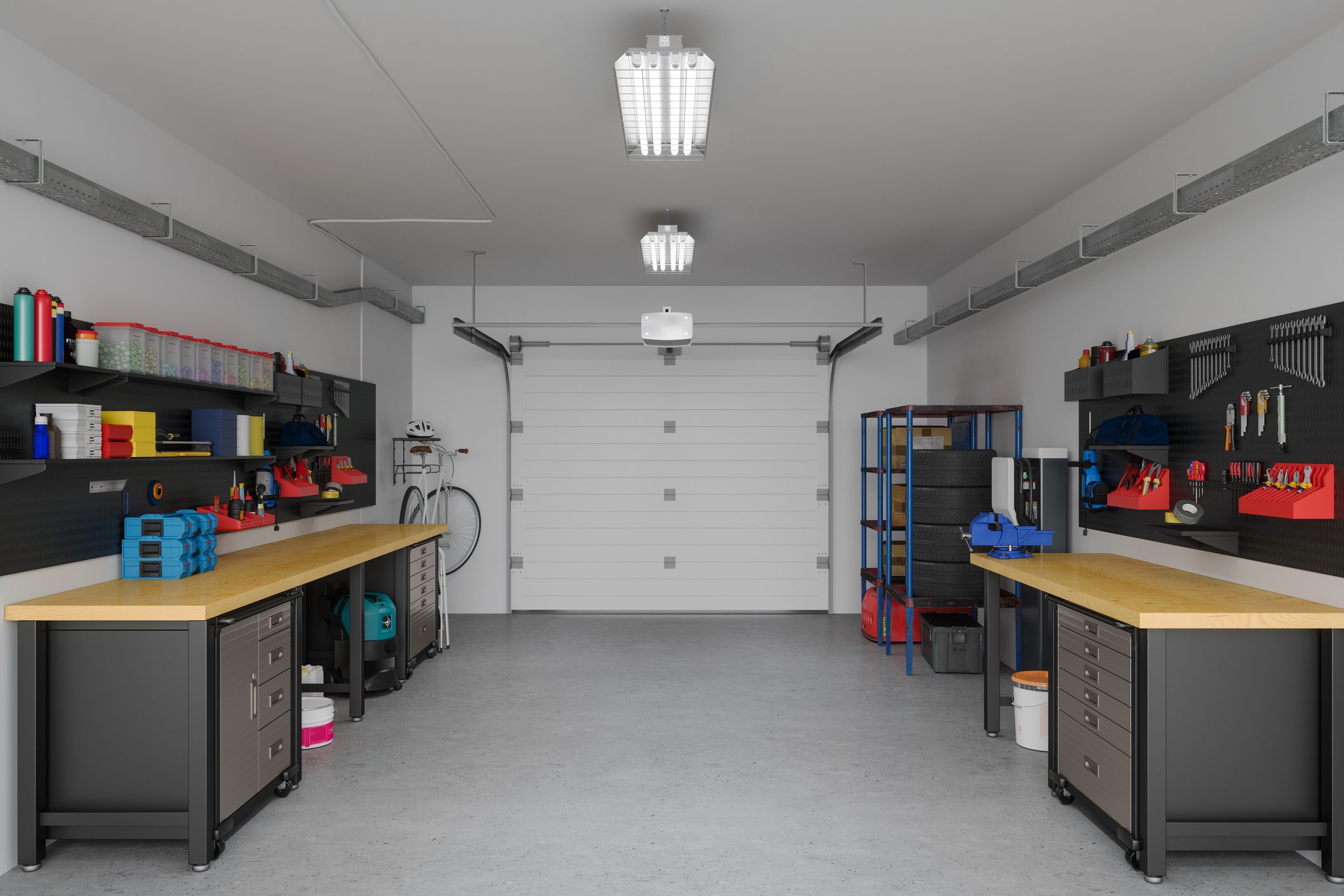
Garage door exhaust ports are designed to facilitate airflow in and out of the garage. This is particularly important in garages that house vehicles, tools, or other equipment that may generate fumes or moisture. Proper ventilation helps to:
- Reduce humidity levels, preventing mold and mildew.
- Improve air quality by allowing harmful fumes to escape.
- Maintain a stable temperature, enhancing the longevity of stored items.
Given their importance, it is essential to ensure that exhaust ports are functioning correctly. Below, we will delve into some common issues and how to address them effectively.
Common Issues with Garage Door Exhaust Ports
1. Blockages

One of the most prevalent issues with garage door exhaust ports is blockages caused by debris, dirt, or even pests. Leaves, dust, and other particles can accumulate over time, obstructing airflow.
2. Improper Installation
If the exhaust port is incorrectly installed, it may not function as intended. For example, if the port is positioned too low or is angled improperly, it may not effectively allow for air exchange.
3. Damaged or Deteriorated Components
Over time, components of the exhaust port can wear out. This might include cracks in the vent cover or rusting due to exposure to moisture.
4. Insect Infestations
Insects, particularly wasps or bees, may find their way into exhaust ports, creating nests that can block airflow and pose hazards.
Identifying Issues with Garage Door Exhaust Ports

Before fixing any issues, it is essential to diagnose the problem accurately. Here are some steps to help identify common issues:
- Visual Inspection: Start with a thorough visual check of the exhaust port. Look for signs of blockages, rust, or damage.
- Check Airflow: With the garage door closed, open the exhaust port and feel for airflow. If there is little to no airflow, a blockage may be present.
- Listen for Unusual Noises: If you hear rattling or buzzing sounds when the exhaust is in use, this may indicate debris or insects inside.
- Inspect for Moisture Accumulation: Look for signs of moisture buildup around the exhaust port, which can indicate improper ventilation.
Fixing Common Issues

1. Clearing Blockages
If you find a blockage in your exhaust port, follow these steps to clear it:
- Use a vacuum or a brush to remove debris from the vent.
- Check the surrounding area for any large objects that may be obstructing airflow.
- Inspect the exhaust cover and clean it with a damp cloth to remove dust and grime.
2. Correcting Improper Installation

For exhaust ports that are improperly installed, you may need to reposition them. Here’s how:
- Consult the manufacturer’s guidelines for proper installation techniques.
- If necessary, remove the existing port and reposition it according to the guidelines.
- Use appropriate sealants to ensure that the port is airtight once reinstalled.
3. Repairing or Replacing Damaged Components

For any components that are cracked, rusted, or otherwise damaged, consider the following:
- Evaluate the extent of the damage. Minor cracks may be repairable with waterproof sealants.
- For extensive damage, it is often more effective to replace the entire exhaust port. Make sure to choose high-quality materials that are resistant to moisture.
4. Addressing Insect Infestations
To deal with insect infestations:
- Wear protective gear and carefully remove any nests present in the exhaust port using a long-handled tool.
- Use insect repellent sprays or natural deterrents around the exhaust port to prevent future infestations.
- Consider installing mesh screens over the exhaust port to keep insects out while allowing airflow.
Preventative Measures
To minimize the occurrence of issues with garage door exhaust ports, consider implementing the following preventative measures:
- Schedule regular maintenance checks to inspect and clean your exhaust ports.
- Keep the surrounding area free from debris that may block airflow.
- Use high-quality materials for exhaust ports that are resilient against environmental damage.
- Consider installing additional ventilation options, such as windows or vents, to enhance airflow.
Garage door exhaust ports are essential for maintaining a safe and healthy garage environment. By identifying common issues such as blockages, improper installation, damaged components, and insect infestations, homeowners can take proactive steps to address these problems. Regular inspections and maintenance can prevent many of these issues from arising in the first place, ensuring that your garage remains well-ventilated and free from moisture buildup.
By following the tips and solutions provided in this article, you can effectively maintain your garage door exhaust ports, contributing to a healthier home environment and extending the lifespan of your garage and its contents. Remember that a little attention can go a long way in keeping your garage safe and efficient.