In the world of sports memorabilia, few items evoke as much nostalgia and admiration as rookie cards. Among these, the Upper Deck rookie card of Alex Rodriguez, affectionately known as A-Rod, stands out as a hallmark of baseball history. This card not only represents the beginning of A-Rod’s illustrious career but also embodies the evolution of the trading card industry. In this article, we will explore the significance of the A-Rod Upper Deck rookie card, its impact on collectors, and the broader implications for the sports memorabilia market.
The Rise of Alex Rodriguez
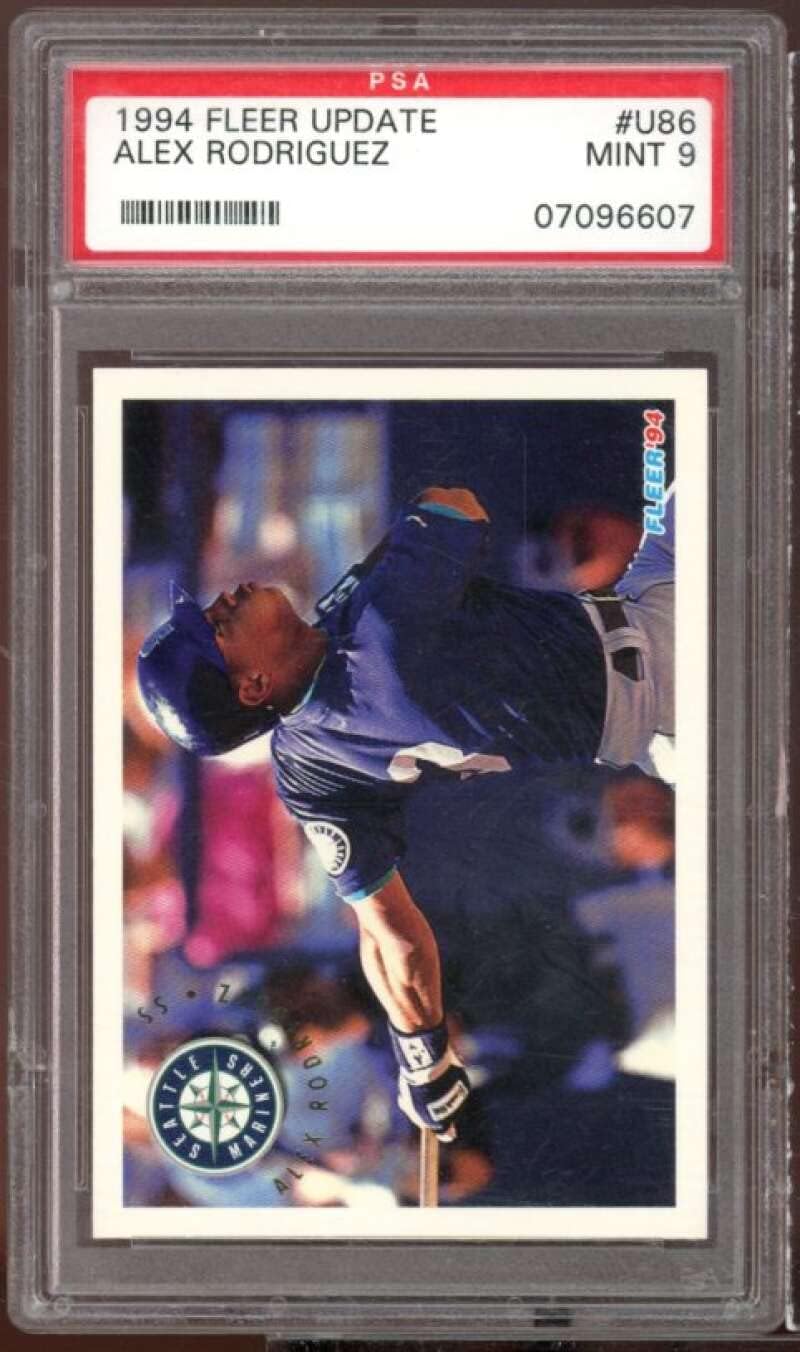
Born on July 27, 1975, in San Antonio, Texas, Alex Rodriguez demonstrated prodigious talent from a young age. He was drafted first overall by the Seattle Mariners in the 1993 MLB Draft, making his debut in 1994 at just 18 years old. Rodriguez quickly established himself as one of the brightest stars in baseball, with a combination of speed, power, and defensive prowess that was unparalleled.
The Birth of the Upper Deck Rookie Card

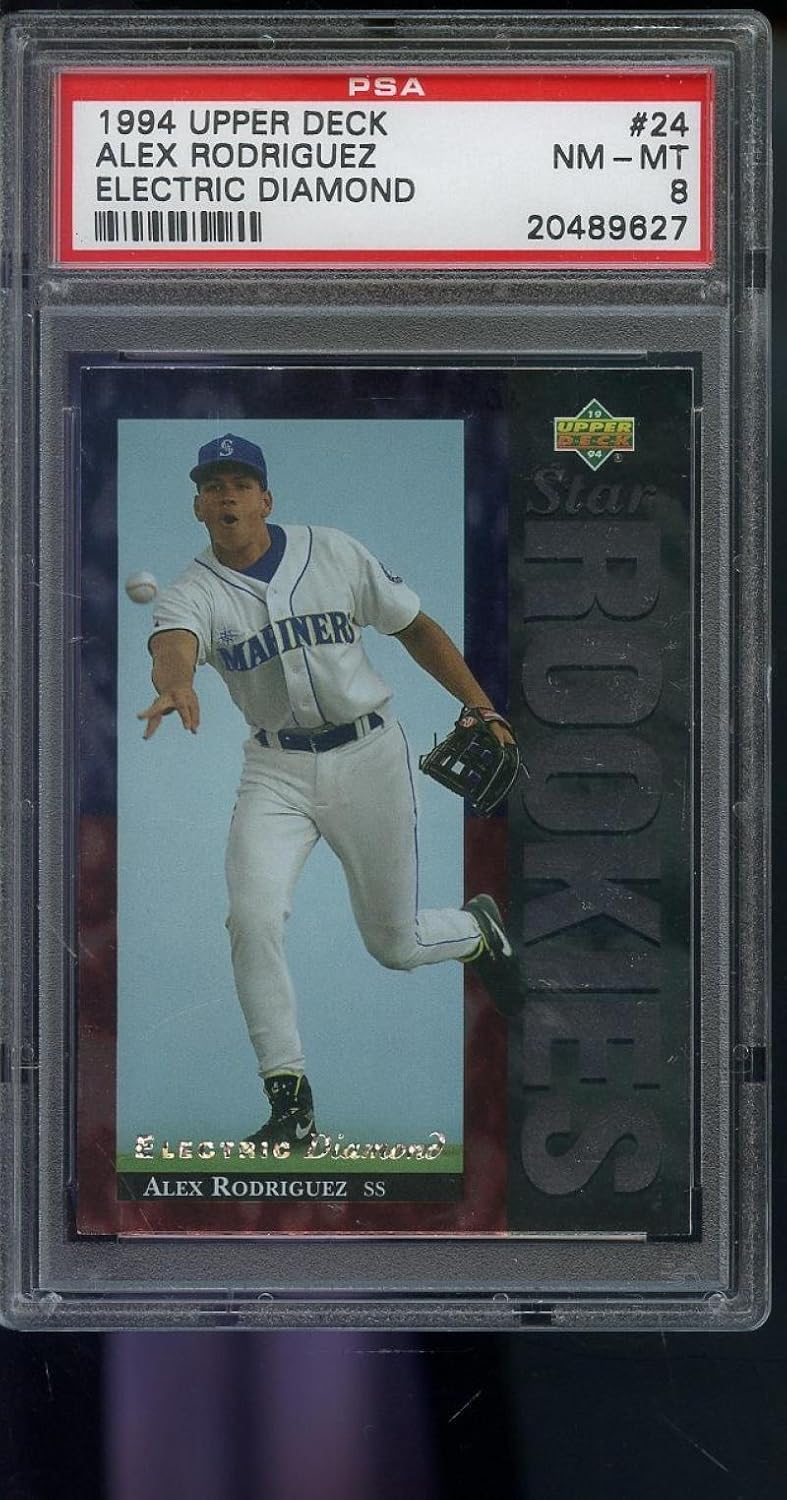
Released in 1994, the Upper Deck A-Rod rookie card (number 24 in the set) was pivotal in several ways:
- Innovative Design: Upper Deck revolutionized the trading card industry with its use of high-quality printing techniques and glossy finishes. The A-Rod card featured a striking photograph of the young star, positioned against a vibrant background.
- Limited Availability: The scarcity of the card, combined with its iconic design, made it highly sought after by collectors and fans alike.
- First-Year Impact: A-Rod’s immediate success with the Mariners, including winning the American League Rookie of the Year Award in 1996, added to the card’s allure.
The Collector’s Perspective
The A-Rod Upper Deck rookie card has become a cornerstone of many collections. For collectors, the card represents much more than just a piece of cardboard; it symbolizes a connection to baseball history. Here’s why collectors are drawn to this card:
- Investment Potential: As A-Rod’s career progressed, his rookie card appreciated significantly in value. For example, a PSA 10 graded card can fetch thousands of dollars, underscoring its investment potential.
- Emotional Connection: Many collectors grew up watching A-Rod play, creating an emotional bond that transcends monetary value.
- Community and Culture: Collecting cards fosters a sense of community. Online platforms, social media groups, and local card shows facilitate discussions about the A-Rod rookie card and its place in the hobby.
The Impact on the Trading Card Industry
The release of the A-Rod Upper Deck rookie card coincided with a boom in the trading card market during the 1990s. This period saw several key developments:
Market Expansion
The popularity of rookie cards, particularly those of emerging superstars like A-Rod, led to a surge in the production and sale of sports cards. This expanded market allowed collectors to access a wider variety of cards and increased the overall value of collections.
Grading and Authentication
As the market grew, so did the need for grading services to authenticate and assess the condition of cards. Companies like PSA (Professional Sports Authenticator) and BGS (Beckett Grading Services) emerged, providing collectors with reliable grading systems that impacted card values significantly. The A-Rod rookie card became a benchmark for grading standards.
The Legacy of A-Rod and His Rookie Card

Despite a career that was marred by controversy, including performance-enhancing drug allegations, Alex Rodriguez’s legacy in baseball remains strong. His achievements include:
- Three-time MVP and 14-time All-Star
- Member of the 500 Home Run Club
- World Series Champion with the New York Yankees in 2009
The enduring appeal of the A-Rod Upper Deck rookie card is closely tied to his legacy. Collectors view the card as a snapshot of a transformative era in baseball and sports memorabilia.
Current Market Trends and Future Outlook

As of 2023, the market for sports cards has experienced renewed interest, driven by younger generations discovering card collecting. The A-Rod rookie card remains a focal point in this resurgence. Factors contributing to its ongoing significance include:
- Digital Collectibles: The rise of NFTs (non-fungible tokens) and digital collectibles has sparked discussions about the future of physical cards, although many collectors still prefer tangible items.
- Increased Accessibility: Online marketplaces and auction sites have made it easier for collectors to buy and sell cards, further driving demand for iconic cards like A-Rod’s.
- Ongoing Nostalgia: As fans who grew up in the 1990s and early 2000s continue to collect, the nostalgia tied to players like A-Rod keeps the rookie card relevant.
The A-Rod Upper Deck rookie card is more than just a collectible; it is a symbol of a transformative period in baseball and sports memorabilia. Its innovative design, limited availability, and connection to a legendary player have solidified its place in the hearts of collectors and fans alike. As the trading card industry continues to evolve, the legacy of this iconic card endures, reminding us of the rich history and emotional connections that sports memorabilia brings to our lives.
In summary, the A-Rod Upper Deck rookie card represents a confluence of talent, innovation, and nostalgia. It stands as a testament to the power of sports in shaping culture and community, ensuring that it will remain a cherished item on collectors’ shelves for years to come.

