The Godzilla franchise has captivated audiences for decades, and the 2014 reboot reignited interest in the iconic monster. With the film’s success, a plethora of merchandise, including toys, flooded the market. But how are these toys made? This article delves into the intricate processes involved in the design, manufacturing, and marketing of Godzilla 2014 toys, providing a behind-the-scenes look at what it takes to bring these products to life.
The Concept: From Film to Toy
The journey of a Godzilla toy begins long before it hits the shelves. The first step is conceptualization, where toy manufacturers work closely with studios to capture the essence of the character as depicted in the film. This stage involves several crucial components:
- Character Design: Designers study Godzilla’s appearance in the movie, focusing on details such as textures, colors, and proportions.
- Target Audience: Manufacturers identify their target demographic, typically children and collectors, which influences the toy’s features and complexity.
- Market Research: Understanding what similar toys are available helps in finding a unique angle for the new product.
Designing the Toy: Bringing Godzilla to Life
Once the concept is finalized, the design phase begins. This stage is crucial for ensuring that the toy accurately represents Godzilla while also being appealing and functional for play.
Sketching and Digital Modeling
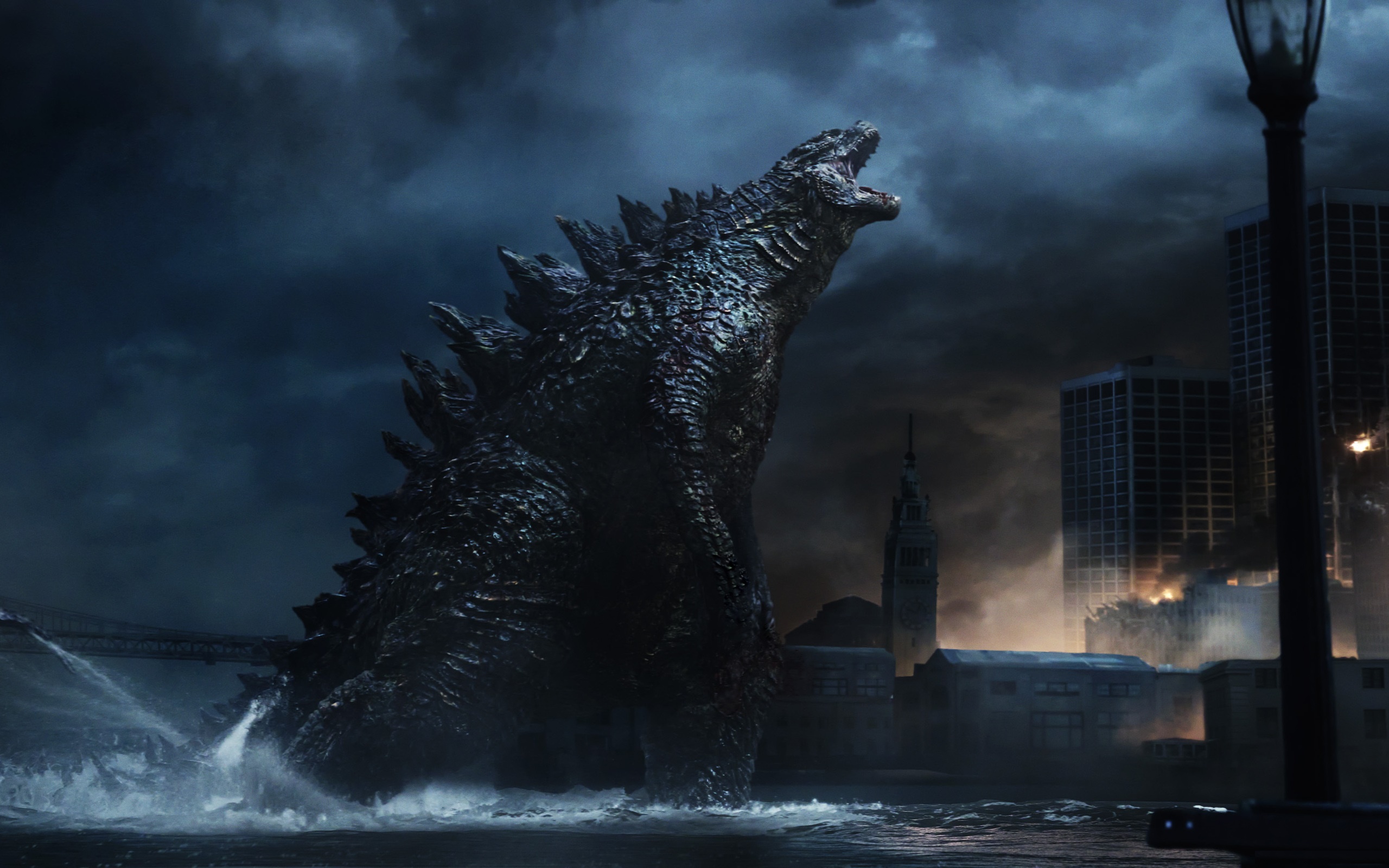
Designers typically start with sketches, which serve as the foundation for the toy’s overall look. These sketches are then translated into digital models using advanced software. Key aspects of this phase include:
- 3D Modeling: Designers create a detailed 3D model of Godzilla, allowing for a precise representation of the character.
- Prototyping: A prototype is produced using 3D printing technology. This physical model helps in assessing the toy’s scale, proportions, and overall aesthetic.
Material Selection
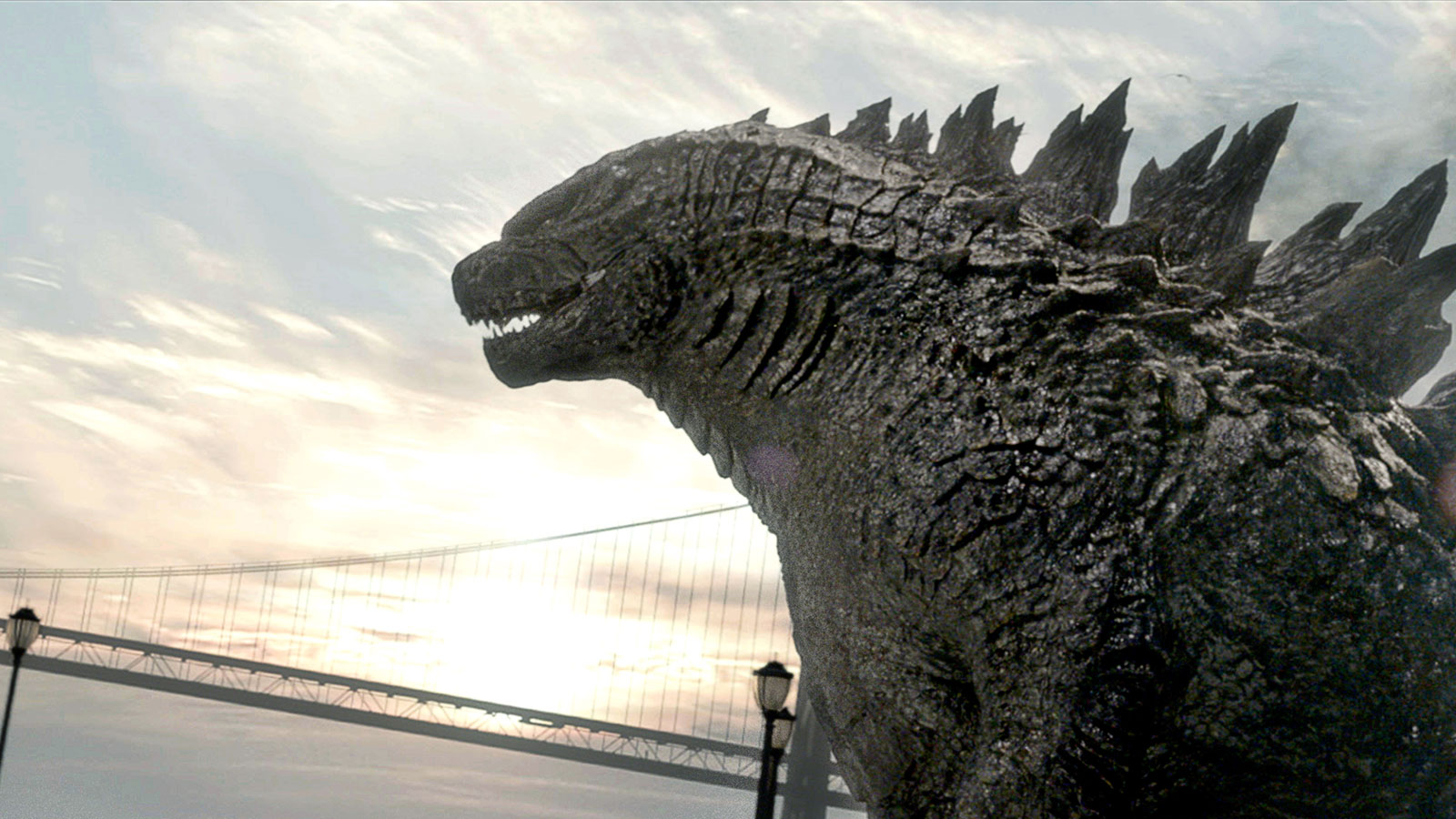
The choice of materials is critical for durability, safety, and realism. Common materials used in toy manufacturing include:
- Plastic: Lightweight and versatile, plastic is the most common material for action figures.
- Vinyl: Often used for figures that require a softer touch or a specific texture.
- Metal Parts: Some toys may include metal components for added weight and realism.
Manufacturing Process: The Heart of Production
After the design and prototyping phases, the manufacturing process begins. This involves several steps to ensure that the final product is of high quality and safe for consumers.
Molding and Injection

The most common manufacturing technique for toy production is injection molding. This process involves:
- Mold Creation: A mold is created based on the 3D model, which will shape the final toy.
- Injection of Material: Plastic pellets are heated and injected into the mold, forming the toy’s body.
Assembly and Detailing
Once the parts are molded, they are assembled. This stage may involve:
- Painting: The details, such as Godzilla’s iconic scales and features, are hand-painted or airbrushed for precision.
- Quality Control: Each toy undergoes rigorous testing to ensure safety standards are met, including checks for sharp edges and toxic materials.
Packaging: The Final Touch
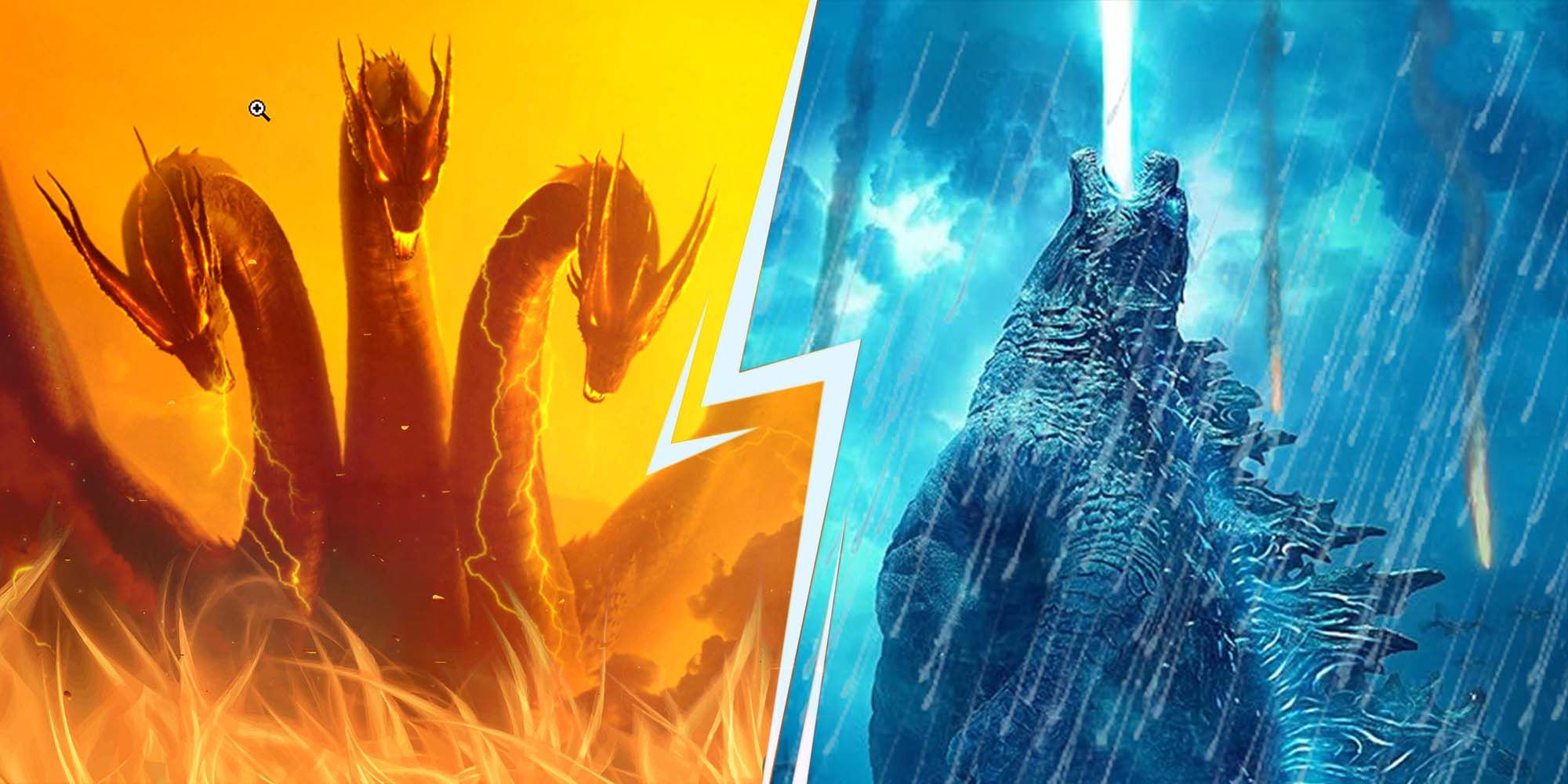
Packaging is essential in attracting consumers and providing essential information about the product. Factors to consider include:
- Design: The packaging design often features striking graphics and highlights key features of the toy.
- Information: Safety warnings, age recommendations, and product descriptions are included to inform buyers.
Marketing and Distribution: Reaching the Audience
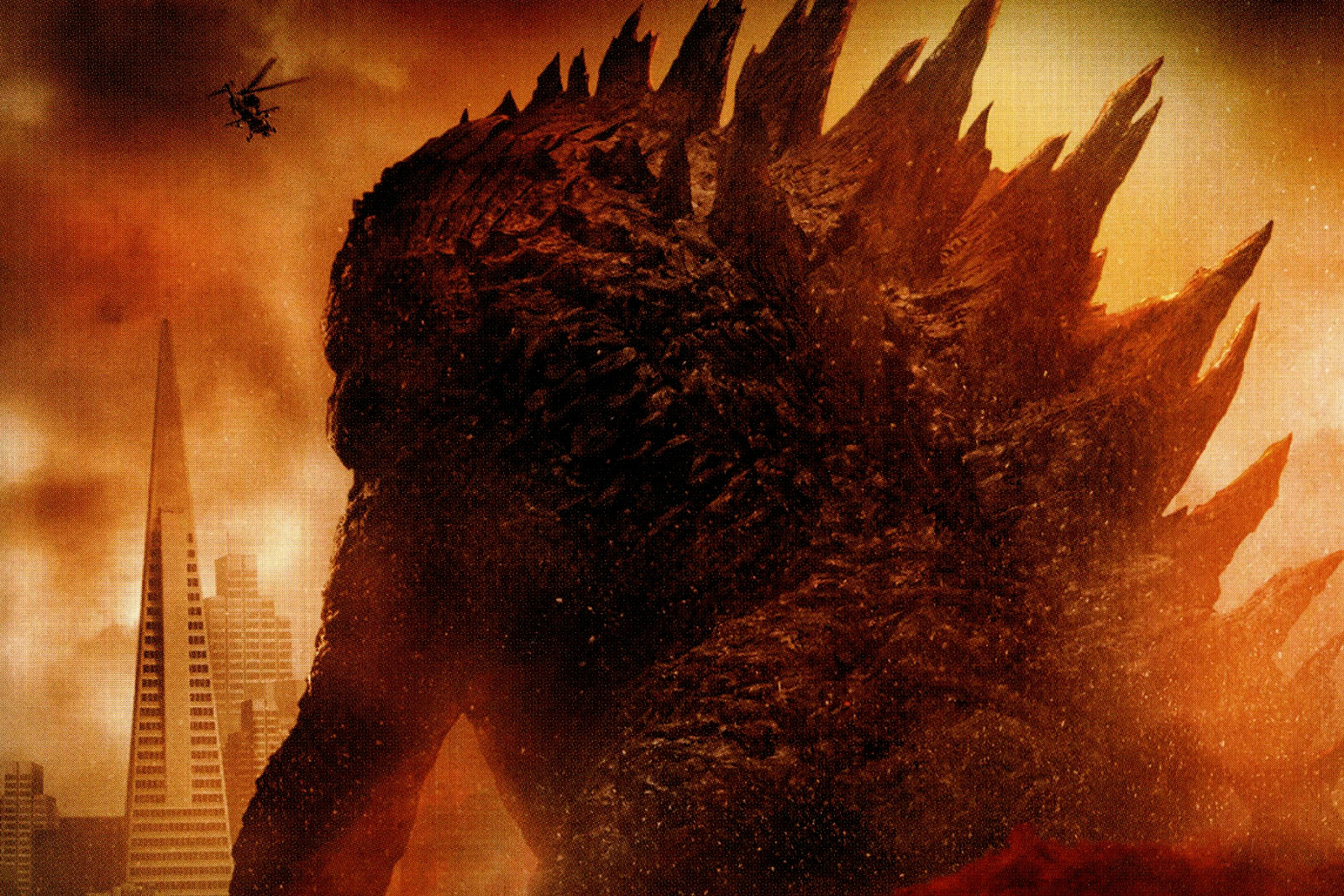
Once the toys are manufactured and packaged, the next step is marketing and distribution. This stage is crucial in ensuring that the toys reach the intended audience effectively.
Marketing Strategies
Marketing for Godzilla toys involves a mix of traditional and digital strategies, including:
- Advertising: Commercials and online ads showcase the toys in action, targeting both children and adult collectors.
- Social Media Campaigns: Engaging potential customers through social media platforms by sharing images, videos, and promotional content.
- Collaboration: Partnering with popular toy retailers and online platforms can significantly boost visibility.
Distribution Channels
The distribution of Godzilla toys occurs through various channels:
- Retail Stores: Major toy retailers and department stores often feature Godzilla toys prominently in their action figure sections.
- Online Retailers: E-commerce platforms, including Amazon and specialized toy websites, provide a wider reach to consumers.
- Conventions and Events: Toy fairs and comic conventions serve as excellent venues for promoting and selling exclusive Godzilla merchandise.
Consumer Reception and Trends
The success of Godzilla toys is largely dependent on consumer reception. Trends in the toy market can significantly influence sales:
- Collector Culture: Many adults who grew up with Godzilla are now collectors, driving demand for high-quality, detailed figures.
- Interactive Toys: There is a growing trend for toys that offer interactive features, such as sound effects and movement.
- Limited Editions: Special releases and limited editions often attract collectors and can create a sense of urgency in purchasing.
The Legacy of Godzilla Toys
The creation of Godzilla 2014 toys is a multifaceted process that combines artistry, engineering, and marketing strategy. From the initial concept to the final product on the shelf, each step is meticulously planned to ensure that fans receive high-quality merchandise that celebrates this iconic character. As trends continue to evolve, the toy industry must adapt, embracing new materials and technologies while honoring the legacy of Godzilla. With its rich history and dedicated fan base, the Godzilla franchise will undoubtedly continue to inspire future generations of toys and collectibles.
In summary, the making of Godzilla 2014 toys not only reflects the artistry and skill of designers and manufacturers but also highlights the importance of understanding the target market and current trends. As a timeless icon, Godzilla will continue to be an enduring source of inspiration for toy creators around the world.