The world of narcotics, crime, and the alluring yet dangerous life of drug lords has fascinated people for decades. From television series to movies and even real-life documentaries, the narratives surrounding these figures often blur the line between villain and anti-hero. But what truly makes a narco iconic? This article delves into the multifaceted aspects of narco culture, examining their psychological, social, and economic influences, and how these elements contribute to their legendary status.
The Psychology Behind Narco Iconography

At the core of any iconic figure lies a complex psychological profile. Narcos, often elevated to iconic status, share several psychological traits that contribute to their larger-than-life personas:
- Charisma: Many drug lords possess an innate charm that allows them to captivate and manipulate those around them.
- Fearlessness: The willingness to engage in high-risk activities and defy authority adds to their mystique.
- Strategic Thinking: Successful narcos often display sharp intelligence and strategic acumen, allowing them to stay ahead of law enforcement.
- Paranoia: Living a life on the edge fosters a deep-seated paranoia that drives their actions and decisions.
One prime example is Pablo Escobar, the infamous Colombian drug lord. Escobar was not only a ruthless criminal but also a charismatic figure who endeared himself to the local population through social programs, making him an emblematic figure of contradictions.
Cultural Context and Symbolism
Narco culture is deeply embedded in the societies where these figures operate, often becoming symbols of rebellion against systemic oppression. The following factors contribute to this cultural significance:
- Socioeconomic Factors: In regions plagued by poverty, narcos often provide jobs and financial stability, becoming local heroes.
- Media Representation: Movies, TV shows, and songs romanticize the lives of drug lords, influencing public perception and creating a mythos around them.
- Regional Identity: Narcos can embody regional pride, with their exploits becoming part of local folklore.
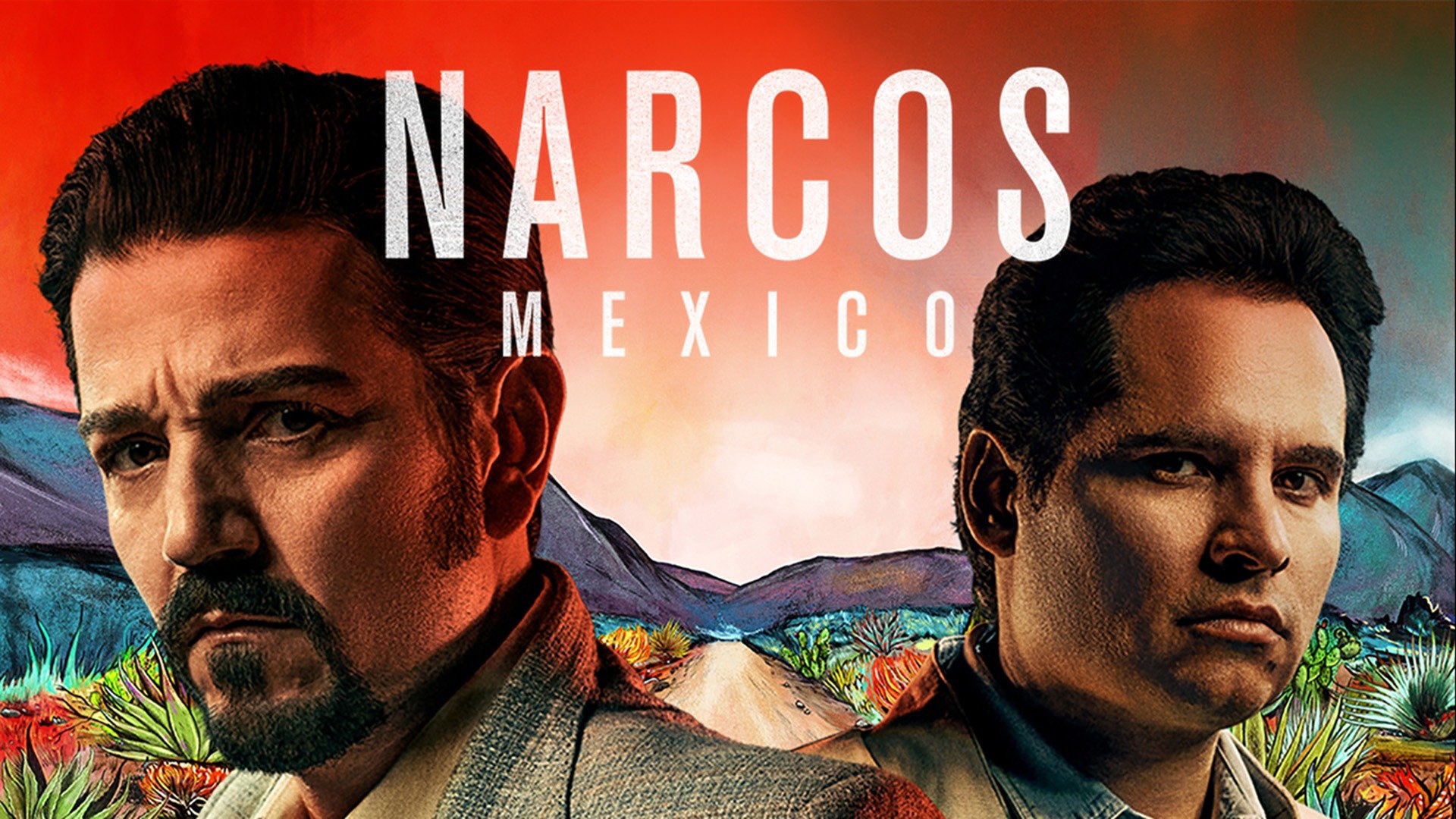
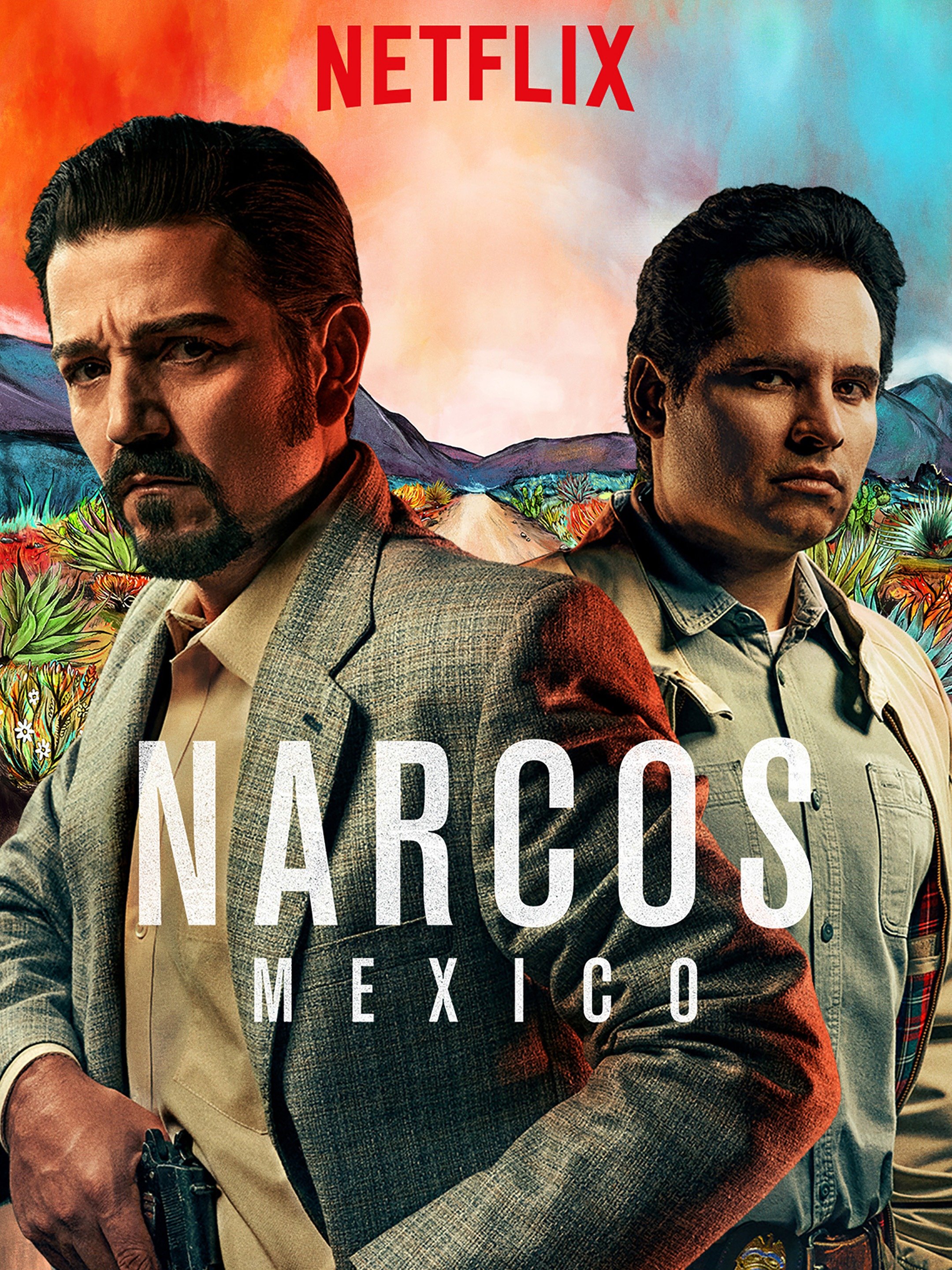
For instance, the Netflix series “Narcos” has played a significant role in shaping the narrative around figures like Escobar and the Medellín Cartel, illustrating both their brutality and their cultural impact.
Economic Influence and the Drug Trade

The economic ramifications of the drug trade cannot be understated. The financial power wielded by narcos often translates into influence and control over various sectors:
- Wealth Accumulation: Successful narcos generate billions, enabling them to create complex financial networks.
- Corruption: Money allows them to corrupt law enforcement, politicians, and even communities, ensuring their operations remain undisturbed.
- Investment in Local Economies: Some narcos invest in local businesses, construction, and agriculture, gaining support from the populace.
For example, Joaquín “El Chapo” Guzmán’s Sinaloa Cartel controlled a significant portion of the drug trade in Mexico, making it one of the most powerful criminal organizations globally. His wealth allowed him to corrupt officials and maintain a vast network of operations.
The Role of Violence and Fear
Violence is an intrinsic part of narco culture, serving both as a means of control and a tool of intimidation:
- Power through Fear: Narcos often employ extreme violence to establish dominance and instill fear in both rivals and law enforcement.
- Public Executions: Displaying power through gruesome acts can serve as a warning to others and solidify their status.
- Military Tactics: Many narcos adopt military strategies, forming armed groups to protect their interests.
The brutality of the Mexican drug wars, highlighted by gruesome killings and public displays of violence, has contributed to the iconic status of figures like El Chapo, showcasing the dark side of their charisma and influence.
Media and Pop Culture Influence
The portrayal of narcos in media plays a significant role in shaping their iconic status. Documentaries, films, and television series have contributed to the glamorization of their lives:
- Documentaries: Shows like “Narcos” and “El Chapo” offer a dramatized look at their lives, making them accessible to a global audience.
- Music: Narco-corridos, a genre of music in Mexico, glorifies the lives of drug lords, embedding them deeper into cultural consciousness.
- Fashion and Lifestyle: The luxurious lifestyles of narcos often become aspirational for some, influencing trends in fashion and lifestyle.
For instance, the popularity of narco-corridos has made figures like Los Tigres del Norte household names, intertwining their music with the very culture of narcotics and crime.
The Impact on Communities

The iconic status of narcos is not without consequences. Their influence deeply affects the communities they operate in:
- Social Division: Narcos can create divisions within communities, pitting supporters against opponents.
- Normalization of Violence: The prevalence of drug-related violence can desensitize communities, leading to a cycle of fear and compliance.
- Disruption of Local Economies: While some narcos invest in local economies, their presence often undermines legitimate businesses and local governance.
The tragic case of Ciudad Juárez illustrates how narcos can dominate local economies while perpetuating cycles of violence and corruption, ultimately harming the very communities they claim to support.
The Legacy of Narco Iconoclasm

The iconic status of narcos is a complex interplay of charisma, cultural significance, economic influence, violence, and media representation. These figures, often seen as anti-heroes, embody the contradictions of power and vulnerability, rebellion and oppression. Their stories resonate with audiences around the world, not only due to their criminal exploits but also because they reflect deeper societal issues, including poverty, corruption, and the longing for power and respect.
As we navigate the narratives surrounding these iconic figures, it becomes evident that their legacy extends beyond mere crime; they serve as symbols of the human condition, illustrating the extremes of ambition, desperation, and the quest for identity in a world rife with challenges. Understanding the factors that contribute to their iconic status allows us to critically engage with the narratives that shape our perceptions of crime and society.