As we navigate through the 21st century, the automotive industry is witnessing a significant transformation in the way we think about comfort and luxury within vehicles. One of the most exciting advancements in this area is the development of heated massaging car seats. This technology not only enhances the driving experience but also promotes well-being and health. In this article, we will delve into the future of car comfort by exploring the features, benefits, challenges, and the evolving landscape of heated massaging car seat technology.
Understanding Heated Massaging Car Seat Technology

Heated massaging car seats are designed to provide a multi-faceted comfort experience for drivers and passengers. These seats integrate heating elements with massage functions, allowing users to enjoy a spa-like experience while on the road. Here’s how they work:
- Heating Elements: Integrated heating pads are placed within the seat, providing warmth to the occupant, especially in colder climates.
- Massage Functions: Using a series of motors and rollers, the seat can simulate various massage techniques, including kneading and tapping.
- Adjustable Settings: Users can customize the intensity and type of massage, as well as the heating levels, to suit their preferences.
This technology is increasingly being incorporated into a variety of vehicle models, from luxury cars to more affordable options, making it accessible to a wider audience.
Health Benefits of Heated Massaging Seats

The integration of heated massaging car seats is not merely a luxury; it also comes with several health benefits that can significantly enhance the overall driving experience:
- Improved Circulation: The heat generated from the seats can help to improve blood flow, which is crucial for long drives.
- Muscle Relaxation: Massage functions alleviate muscle tension, reducing discomfort during extended periods of sitting.
- Stress Reduction: The soothing effects of massage can lead to lower stress levels, making driving a more enjoyable experience.
- Enhanced Focus: By reducing physical discomfort, drivers can maintain better focus on the road, improving overall safety.
The Evolution of Technology

The technology behind heated massaging car seats has come a long way since its inception. Here are some notable advancements:
- Smart Features: Many modern vehicles now come equipped with smart technology, allowing seats to adjust based on body shape and temperature preferences.
- Integration with Vehicle Systems: Heated massaging seats can be integrated with the vehicle’s climate control system, providing a seamless user experience.
- Mobile Apps: Some manufacturers are developing mobile applications that allow drivers to pre-set their seat preferences before entering the vehicle.
Case Studies: Leading Innovators in Heated Massaging Seat Technology
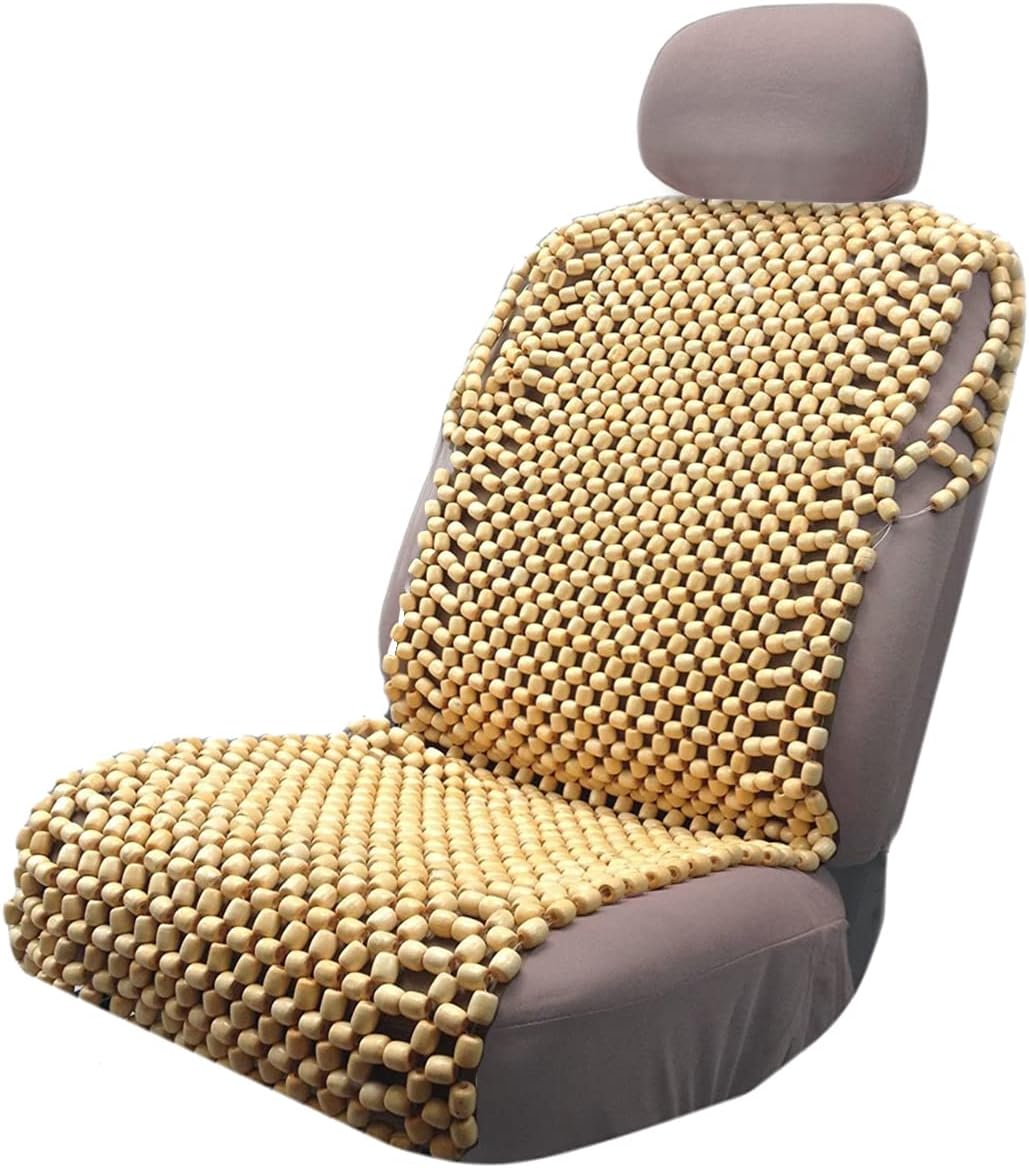
Several automotive companies have been at the forefront of incorporating heated massaging seats into their vehicles. Let’s take a look at a few:
1. Mercedes-Benz

Mercedes-Benz has long been synonymous with luxury and comfort. Their S-Class model features a state-of-the-art massaging system that offers multiple massage modes, including “hot stone” and “wave” massages. The seats are also equipped with heating elements that adjust automatically based on the occupant’s body temperature.
2. BMW
BMW’s 7 Series has also embraced this technology, offering heated massaging seats that can be tailored to the preferences of each passenger. The massage functions include various settings that target different areas of the back, providing a personalized experience.
3. Tesla

Tesla has integrated heated massaging seats into its Model S and Model X. With a focus on sustainability and innovation, Tesla’s seats are designed to provide comfort while also being energy efficient.
Statistics: The Growing Demand for Comfort Features
The demand for comfort features in cars is on the rise, as evidenced by recent statistics:
- According to a 2021 survey conducted by J.D. Power, 58% of consumers indicated that seat comfort is a key factor when purchasing a new vehicle.
- A study by the International Journal of Automotive Engineering found that heated and massaging seats can reduce driver fatigue by up to 30% during long trips.
- Market research firm Grand View Research estimates that the global automotive seating market will reach $34.7 billion by 2025, with heated and massaging seats contributing significantly to this growth.
Challenges and Considerations
While heated massaging car seats offer numerous benefits, there are also challenges and considerations for manufacturers and consumers:
- Cost: The addition of heated and massaging features can increase the price of a vehicle, potentially making it less accessible to budget-conscious consumers.
- Maintenance: These advanced seats require regular maintenance to ensure that the heating and massage functions continue to work effectively.
- Safety Concerns: There is a necessity for manufacturers to ensure that these features do not distract drivers or lead to over-reliance on comfort at the expense of attention to the road.
Looking Ahead: The Future of Car Comfort
The future of car comfort is undoubtedly promising, with heated massaging car seats leading the charge. As technology continues to evolve, we can expect even more innovative features:
- AI Integration: Artificial intelligence could play a role in personalizing the seating experience by learning individual preferences over time.
- Wellness Tracking: Future car seats may integrate wellness technology to monitor the occupant’s stress levels and adjust the massage and heating functions accordingly.
- Eco-Friendly Materials: As sustainability becomes a more significant concern, manufacturers may explore eco-friendly materials for heated massaging seats, reducing their environmental impact.
Heated massaging car seat technology represents a significant leap forward in automotive comfort, enhancing the driving experience while also promoting health and well-being. As we move into the future, the integration of advanced technology, personalized features, and an increased focus on sustainability will shape the evolution of this sector. While challenges remain, the benefits are clear, and with growing consumer demand, heated massaging seats are set to become a standard feature in many vehicles. As we embrace this new era of automotive comfort, drivers and passengers alike will enjoy a more relaxing and enjoyable journey.